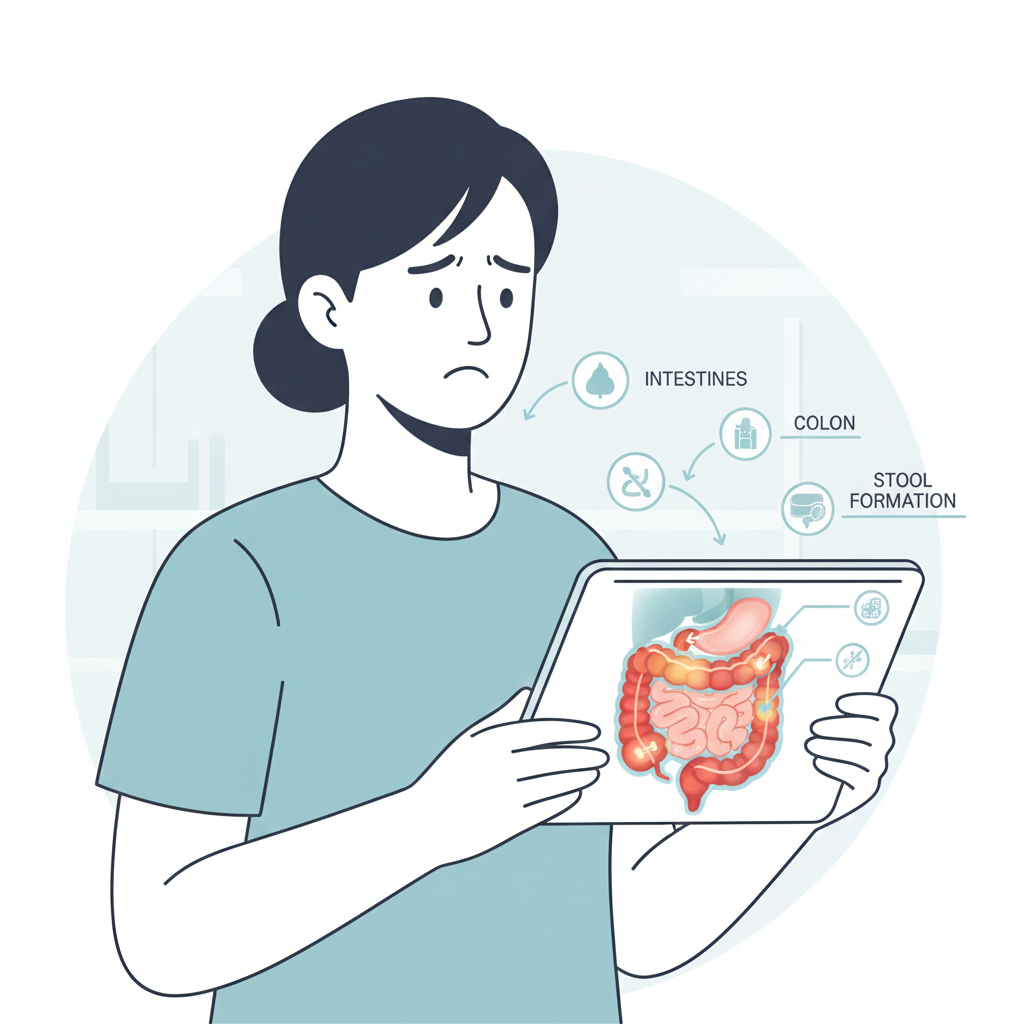

I’ll never forget the first time I saw it. I was a new mom, constantly on high alert, and during a routine diaper change, I noticed something… different. It wasn’t the usual mess. There was a jelly-like, clear substance mixed in. My heart dropped. A million worst-case scenarios flashed through my mind. Was my baby okay? Was this a sign of a serious infection? After a frantic call to the pediatrician and a lot of deep breathing, I learned that sometimes, a little mucus is completely normal. But it was that moment of confusion and fear that made me realize how little we talk about this common, yet often alarming, bodily sign.
Seeing mucus in stool means your intestinal lining is producing excess lubrication or inflammation is present. It’s your body’s way of saying something is irritating your digestive tract, ranging from mild issues like diet to more significant health conditions.
🧠 What Does Mucus in Stool Actually Mean?
Let’s break this down. Your gastrointestinal (GI) tract, from your mouth to your… well, the end, is lined with a special layer called the mucosa. This lining naturally produces mucus—a slippery, jelly-like substance. Think of it as a protective lubricant. Its primary jobs are to:
- Help stool pass smoothly through the intestines.
- Protect the delicate gut lining from harsh stomach acids and harmful bacteria.
- Trap and eliminate pathogens.
So, a small amount of mucus in stool is normal and usually goes unnoticed. It’s when the amount increases significantly, changes color, or is accompanied by other symptoms that it becomes a noticeable signal, or symptom, from your body.
In short: Mucus in Stool = A sign from your gut = Often due to irritation, inflammation, or infection.
📊 What Does the Color of Mucus in Stool Mean?
This is where things get more specific. The appearance of the mucus can be a major clue for your doctor. Paying attention to these details is a key part of understanding your digestive health.
- Clear or White Mucus: Often linked to normal lubrication or minor irritation. It can be seen in Irritable Bowel Syndrome (IBS) or simple constipation.
- Yellow Mucus: May indicate a minor infection or post-nasal drip, as mucus from your respiratory system can be swallowed and pass through your gut.
- Green Mucus: Can suggest a faster transit time through the bowels (diarrhea), meaning the stool is moving so quickly that bile (which is green) doesn’t have time to break down fully.
- Red or Pink-Red Mucus: This is a significant sign, as it indicates the presence of blood. This could point to conditions like ulcerative colitis, Crohn’s disease, or even a more serious issue like colon cancer and should always be evaluated by a doctor.
- Black Mucus: Can indicate bleeding from the upper GI tract (like the stomach or small intestine), as the blood has been digested and turns dark.
🩺 What Are the Most Common Causes of Mucus in Stool?
Understanding the “why” is crucial. The causes can range from easily manageable to those requiring medical intervention. Here are the most frequent culprits behind this gastrointestinal symptom.
1. Bacterial or Viral Infections (Gastroenteritis)
Often called the “stomach flu,” infections from bacteria like Salmonella or E. coli, or viruses like Norovirus, can cause significant inflammation in your gut. Your body ramps up mucus production to flush out the pathogens, leading to diarrhea often packed with visible mucus.
2. Inflammatory Bowel Disease (IBD)
This is a more serious category. IBD, which includes Crohn’s Disease and Ulcerative Colitis, involves chronic inflammation of the digestive tract. Excess mucus, often mixed with blood or pus, is a very common symptom as the intestinal lining is under constant attack.
3. Irritable Bowel Syndrome (IBS)
Unlike IBD, IBS is a functional disorder, meaning there’s no visible damage to the intestines, but how they function is off. Many people with IBS, especially the subtype with diarrhea (IBS-D), experience increased mucus in their stool due to gut sensitivity and motility issues.
4. Anal Fissures or Hemorrhoids
These are tears or swollen veins in or around the anus. They can cause irritation and inflammation in the lower rectum, leading to the production of mucus. You might also notice bright red blood on the toilet paper or in the bowl.
5. Food Intolerances and Allergies
If your body struggles to digest certain foods—like lactose in dairy or gluten in celiac disease—it can lead to gut irritation and inflammation. This irritation often triggers increased mucus production as a defense mechanism.
6. Dehydration and Constipation
When you’re constipated, hard stool can irritate the colon lining. Your body might produce extra mucus to try and ease the passage, which you then see coating the hard stool.
💬 Real-Life Scenarios: When People See Mucus in Stool
Let’s look at some realistic examples that show how these causes manifest.
Scenario 1: The Food Poisoning
A: “Ugh, I think I got food poisoning from that sketchy food truck. I’ve been in the bathroom all night.”
B: “Oh no! What’s it like?”
A: “Just awful diarrhea, and there’s like, this weird jelly stuff in it. 😫”
Scenario 2: The IBS Flare-Up
A: “My stomach is a mess today. So much bloating and cramping.”
B: “Stress from work?”
A: “Probably. And my IBS is acting up—mucus in my stool again. It’s my body’s stress signal. 🤢”
Scenario 3: The Concerned New Parent
Parent (to Pediatrician): “Doctor, my baby’s poop has stringy, green mucus in it. Should I be worried?”
Pediatrician: “It can be normal, but if she’s also feverish or not feeding, let’s bring her in to rule out an infection.”
Scenario 4: The Persistent Issue
Person (to Doctor): “It’s not just occasional anymore. For the past few weeks, there’s been mucus and sometimes a little blood. I’m tired all the time, too.”
🕓 When to Worry and When to Wait
It’s important to have a balanced perspective. Not every instance requires a panicked trip to the ER.
✅ When It Might Be Minor (Monitor at Home)
- A small amount of clear or white mucus with no other symptoms.
- Occurs for a day or two during a bout of diarrhea that resolves on its own.
- You can link it to a specific new food or a period of high stress.
❌ When to Definitely See a Doctor (Red Flags)
You should seek medical advice promptly if you experience mucus in stool along with any of the following warning signs:
- Increased volume of mucus.
- Blood in the stool (red, maroon, or black).
- Persistent change in bowel habits (diarrhea/constipation lasting more than a few days).
- Fever, chills, or severe abdominal pain.
- Unexplained weight loss.
- Nausea or vomiting that won’t stop.
- Symptoms that are worsening or not improving.
📋 Mucus in Stool: A Symptom Comparison Table
| Context | Likely Cause | Accompanying Symptoms | Why It Happens |
|---|---|---|---|
| Acute Illness | Bacterial/Viral Infection | Diarrhea, Fever, Cramps | Body flushing out pathogens |
| Chronic Condition | IBD (Crohn’s, UC) | Blood, Abdominal Pain, Fatigue | Chronic inflammation damaging gut lining |
| Functional Issue | IBS | Bloating, Cramping, Gas | Gut hypersensitivity and motility problems |
| Structural Issue | Hemorrhoids/Anal Fissure | Bright Red Blood, Pain when passing stool | Localized irritation in the anal canal |
| Dietary Reaction | Food Intolerance | Gas, Bloating, Diarrhea | Gut irritation from undigested food particles |
🔄 Similar Gastrointestinal Symptoms and What They Mean
Your gut communicates in more ways than one. Mucus rarely appears in a vacuum. Here’s a table of other common digestive issues and how they relate.
| Symptom | What It Is | Potential Link to Mucus |
|---|---|---|
| Blood in Stool | Bleeding in the GI tract | Often occurs together in conditions like IBD. |
| Undigested Food | Food passing through too quickly | Can be seen with mucus in diarrhea-predominant conditions. |
| Fatty Stool (Steatorrhea) | Poor fat absorption | May co-occur with mucus in pancreatic or bowel diseases. |
| Abdominal Pain | Cramping or discomfort in the gut | A very common partner symptom with mucus. |
| Bloating | A feeling of fullness or gas | Frequently reported by individuals with IBS and mucus. |
🏥 How Do Doctors Diagnose the Cause?
If you see your doctor, here’s what you can expect. The process is all about detective work to ensure an accurate medical diagnosis.
- Medical History: They’ll ask detailed questions about your symptoms, duration, diet, stress, and family history.
- Physical Exam: This will likely include pressing on your abdomen to check for tenderness.
- Stool Test: A sample may be analyzed for hidden (occult) blood, bacteria, parasites, or markers of inflammation.
- Blood Tests: These can check for signs of infection, inflammation, anemia, or celiac disease.
- Imaging: In some cases, an X-ray, CT scan, or MRI might be used.
- Endoscopy: For a direct look, a doctor might recommend a colonoscopy or sigmoidoscopy, where a tiny camera is used to examine your colon and take biopsies if needed.
❓ FAQs
1. Is a little bit of mucus in stool normal?
Yes, a small amount of clear or whitish mucus is normal and is part of your body’s natural lubrication process for your intestines. It’s usually only a cause for concern when the amount increases noticeably, changes color, or is accompanied by other symptoms like blood, pain, or diarrhea.
2. Should I go to the ER for mucus in my stool?
Not usually for mucus alone. However, you should go to the ER if it is accompanied by severe abdominal pain, a high fever, significant rectal bleeding, vomiting that prevents you from keeping liquids down, or signs of dehydration like dizziness.
3. Can stress cause mucus in stool?
Absolutely. The gut and brain are intimately connected (the gut-brain axis). High stress and anxiety can exacerbate underlying conditions like Irritable Bowel Syndrome (IBS), which is a common cause of increased mucus production. Stress can also alter gut motility and sensitivity, leading to symptoms.
🛡️ Conclusion
Noticing mucus in your stool can be a startling experience, but as we’ve learned, it’s not always a five-alarm fire. It’s one of your body’s many ways of communicating. Sometimes it’s just saying, “Hey, I’m a little irritated,” and other times it’s a more urgent signal to seek medical guidance. The key is to pay attention to the context—the color, the amount, and the other symptoms that come with it. Don’t ignore persistent changes or red-flag symptoms. By understanding what this sign could mean and partnering with a healthcare professional when needed, you can move from a place of fear and confusion to one of knowledge and proactive health management. Your gut is talking; now you have a better understanding of what it might be trying to say.