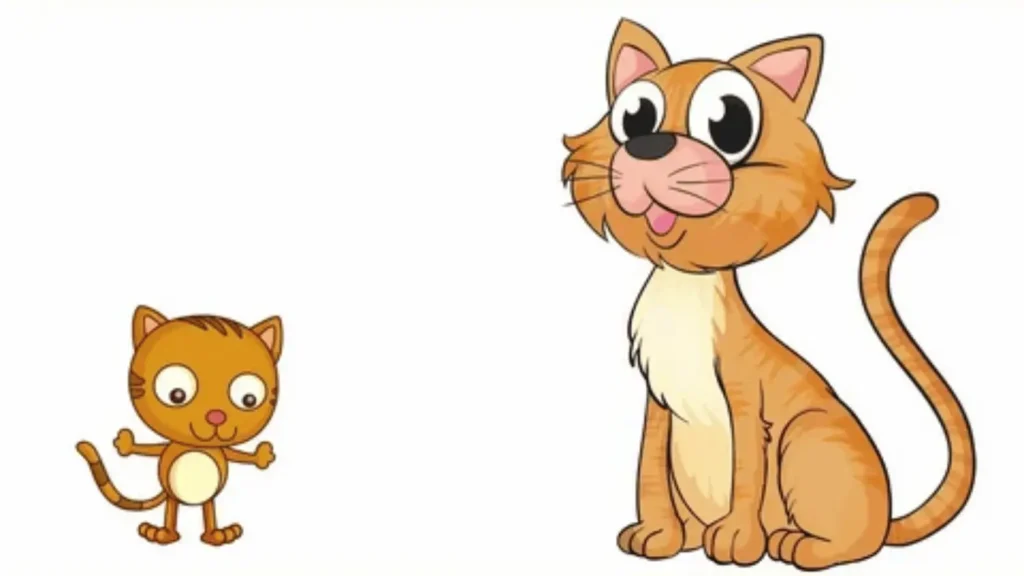

Small and Tiny – Meaning, Uses & the Clear Difference
People often search for the words “small and tiny” because they sound similar, yet they have slightly different meanings. As a result, many writers feel unsure about which word to use in school work, email, or business writing. This confusion grows when readers notice the words used side by side in books, blogs, and news stories. So, people look for a clear and simple answer.
In everyday English, both words describe size. However, they also express tone and emotion. For example, “small” often sounds neutral, while “tiny” can sound more emotional or even cute. Because of this, learners want to know when each one fits better.
This guide explains the meaning, origin, usage, and trends of small and tiny. It also shows examples that you can use in both formal and casual writing. In addition, it gives advice for global audiences and clears up common mistakes. By the end, you will understand the difference and feel confident using both words in any kind of writing.
Small and Tiny – Quick Answer
Small means “not large.” It is neutral and works in most situations.
Tiny means “very small.” It adds emotion, emphasis, or a sense of something delicate.
Examples:
- “A small house” (simple, neutral size).
- “A tiny house” (very small, cute, compact).
The Origin of Small and Tiny
Small comes from Old Norse smár, meaning “thin or slender.” Over time, it grew to mean “little in size.”
Tiny comes from the word teeny, linked to teen, an old English word meaning “to pinch.” Later, the meaning shifted to “very little.”
Because both words came from different roots and entered English at different times, they developed unique tones. This is why one sounds formal and the other sounds emotional.
British English vs American English Spelling
Both words are spelled the same in British and American English. However, usage can differ. In the UK, small appears more in formal writing. In the US, tiny often appears in ads, stories, and marketing because it sounds more expressive.
Comparison Table
| Word | British English Usage | American English Usage |
|---|---|---|
| Small | Common in formal writing | Common in formal and casual writing |
| Tiny | Used for emphasis | Used often in ads, stories, blogs |
Which Spelling Should You Use?
- US Audience: Use tiny for emotion and small for clear facts.
- UK/Commonwealth Audience: Use small in formal writing. Use tiny in stories or casual text.
- Global Audience: Use small when unsure. It is neutral, simple, and fits most contexts.
Common Mistakes with Small and Tiny
| Mistake | Correction |
|---|---|
| Using tiny in serious reports | Use small instead |
| Using small when you mean “very small” | Use tiny |
| Mixing them in one sentence | Pick one tone |
| Adding “very tiny” (redundant) | Use “tiny” alone |
Small and Tiny in Everyday Examples
Email:
- “We found a small issue in the file.”
News:
- “A tiny island community reported strong winds.”
Social Media:
- “Look at this tiny cup!”
Formal Writing:
- “The study used a small sample group.”
Small and Tiny – Google Trends & Usage Data
Search data shows that small is more common worldwide because it fits formal, business, and educational uses. Meanwhile, tiny trends higher in creative fields, product ads, and emotional posts. Countries like the US, UK, Canada, India, and Australia search these words often because English learners want simple and clear size descriptors.
Variations Comparison Table
| Variation | Meaning | Tone |
|---|---|---|
| Small | Not large | Neutral |
| Tiny | Very small | Emotional |
| Teeny | Extremely small | Casual |
| Mini | Small version of something | Trendy |
FAQs
1. Is tiny smaller than small?
Yes. Tiny is smaller than small.
2. Is tiny formal?
No. It sounds casual or emotional.
3. Can I use tiny in academic writing?
Usually no. Use small instead.
4. Is small always correct?
It works in most situations.
5. What is smaller than tiny?
Words like “teeny” or “microscopic.”
6. Do small and tiny mean the same?
Not exactly. Tiny is more intense.
7. Which is better for business emails?
Small.
Conclusion (150–200 words)
The words small and tiny help describe size, but they do so in different ways. While both words seem simple, choosing the right one can improve clarity and tone. “Small” is neutral, easy to understand, and useful in nearly every kind of writing. In contrast, “tiny” adds emotion, color, and emphasis. Because of this, it works well in stories, ads, and creative posts.
Writers often feel unsure because the words look similar and sometimes appear in the same context. However, understanding the tone behind each word solves this confusion. It also helps you communicate with clear intent. If you write for a global audience, “small” is usually the safest and most professional option. Yet, you can still use “tiny” when you want to create a vivid picture or add personality.
In short, both words are correct. The best choice depends on your audience, purpose, and writing style. With the guidance from this article, you can now choose the right word with confidence.
.