

When it comes to relationships, one of the most searched and debated questions is: “Who cheats more men or women 2024?”
People look up this query because infidelity is a sensitive topic that impacts trust, love, and long-term commitment.
With shifting gender roles, changing social dynamics, and evolving cultural norms, many want updated statistics to know if men still top the charts or if women have caught up in the cheating game.
The confusion often comes from conflicting studies and media headlines.
Some claim men are naturally more likely to cheat due to biology, while others point to women’s emotional dissatisfaction as a driving factor.
In 2024, the conversation isn’t just about gender—it also includes age, technology, and relationship styles like open marriages.
This article breaks down the quick answer, origins, spelling comparisons, usage, Google Trends, and real-life examples so you have a complete guide.
Who Cheats More Men or Women 2024 – Quick Answer

The short answer: men still cheat more than women in 2024, but the gap is shrinking.
- Studies show around 20–25% of married men admit to cheating, compared to 13–16% of married women.
- Younger generations (under 30) show a much smaller gap, with women reporting cheating at nearly the same rate as men.
- Technology, dating apps, and social media have made opportunities for cheating more equal.
The Origin of “Who Cheats More Men or Women”

The phrase “who cheats more men or women” has been around for decades. It stems from curiosity and stereotypes about fidelity.
- In the 20th century, surveys often assumed men were the “cheaters,” while women were “faithful.”
- Over time, as more women joined the workforce and had social independence, studies began showing a rise in female infidelity rates.
- By the 2000s, research shifted toward equality—asking whether cheating is more about opportunity than gender.
The spelling and phrasing of the keyword itself remain consistent across English varieties, but cultural differences influence how it’s discussed.
Which Spelling Should You Use?
- If your audience is American: Use “cheating” more often, since it resonates with US readers.
- If your audience is British/Commonwealth: Use “infidelity” or “affair” in more formal contexts, with “cheating” in casual ones.
- For global audiences: Stick with “cheating” since it’s universally understood.
Common Mistakes with “Who Cheats More Men or Women 2024”
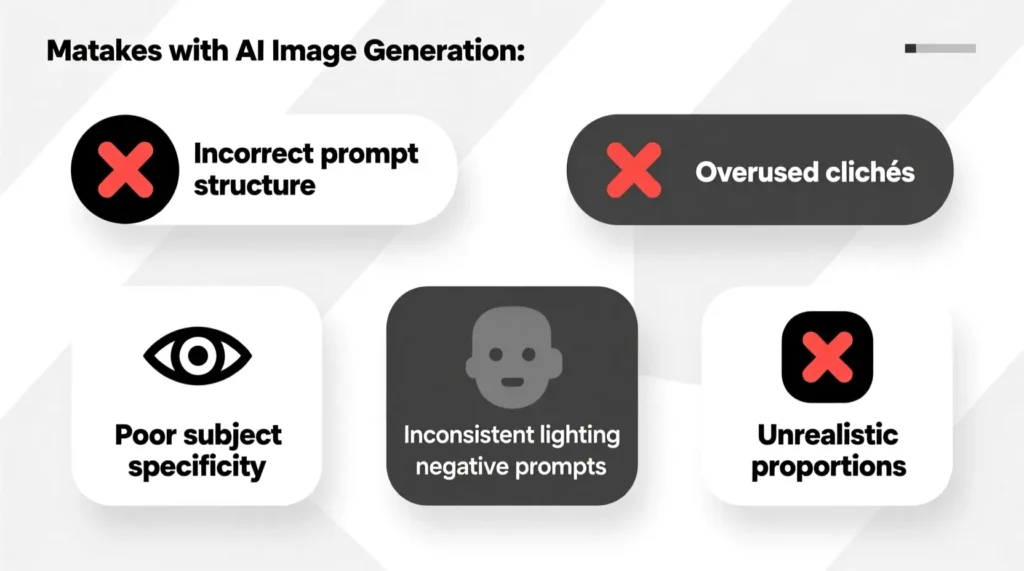
- Assuming statistics are universal – Cheating rates vary by country, culture, and religion.
- Confusing emotional vs physical cheating – Studies often define these differently.
- Using outdated data – Numbers from 10 years ago don’t reflect 2024 trends.
- Forgetting generational differences – Boomers vs Gen Z show very different patterns.
- Mixing spelling styles – Switching between “cheating” and “infidelity” without context can confuse readers.
“Who Cheats More Men or Women 2024” in Everyday Examples

- Email subject lines: “Survey Reveals Who Cheats More: Men or Women in 2024”
- News headlines: “2024 Study Shows Men Still Cheat More, But Women Closing Gap”
- Social media posts: “Do you think men cheat more than women in 2024? 🤔 Let’s discuss.”
- Formal writing: “According to the 2024 National Survey of Family Growth, male infidelity rates remain higher than female rates.”
FAQs on “Who Cheats More Men or Women 2024”
1. Do men still cheat more than women in 2024?
Yes, men cheat more overall, but the gap is narrowing, especially among younger generations.
2. What’s the main reason men cheat?
Often linked to physical desire, opportunity, or lack of satisfaction in the relationship.
3. What’s the main reason women cheat?
Emotional dissatisfaction, lack of intimacy, or seeking validation.
4. Does age affect cheating rates?
Yes. Older men report higher cheating rates, while younger women’s rates are closer to men’s.
5. Are emotional affairs considered cheating?
Yes, many surveys include both emotional and physical affairs as cheating.
6. Do cultural differences affect who cheats more?
Absolutely. In some cultures, cheating is underreported due to stigma, especially among women.
7. Has technology increased cheating in 2024?
Yes—dating apps, social media, and private messaging make opportunities easier and more discreet.
Conclusion
So, who cheats more men or women in 2024? The evidence still leans toward men cheating more often, but the difference isn’t as dramatic as it once was.
Women are reporting higher rates of infidelity, particularly in younger age groups where social and digital opportunities level the playing field.
If you’re writing, researching, or simply curious, remember: the keyword itself has no spelling variations across English dialects, but word choices like cheating, infidelity, and affair may shift depending on your audience.